Navigating Cancer Treatments: A Comprehensive Guide to Wellness and Support
When faced with the daunting reality of a cancer diagnosis, the journey can often feel overwhelming. Yet, this is a crucial moment, one where empowerment becomes essential. Navigating the complexities of **oncology** treatments requires not just medical knowledge, but a strong support system and a wealth of resources. Understanding the intricacies of your health can transform fear into courage, bringing hope amidst uncertainty. So, how do we begin this transformative journey toward **wellness**?
The first step in becoming your own advocate in the battle against a **malignancy** is to familiarize yourself with the **treatment options** available. From **chemotherapy** and **radiation therapy** to more recent advancements like **immunotherapy** and **alternative therapies**, the choices can sometimes feel like standing in front of a buffet—overwhelming yet enticing! But it’s important to remember that each **stage of cancer** has its own tailored approach. As you explore these options, ask yourself: what does my body need to thrive? The answers often lie in comprehensive **patient education**, which can empower you to make informed decisions about your care.
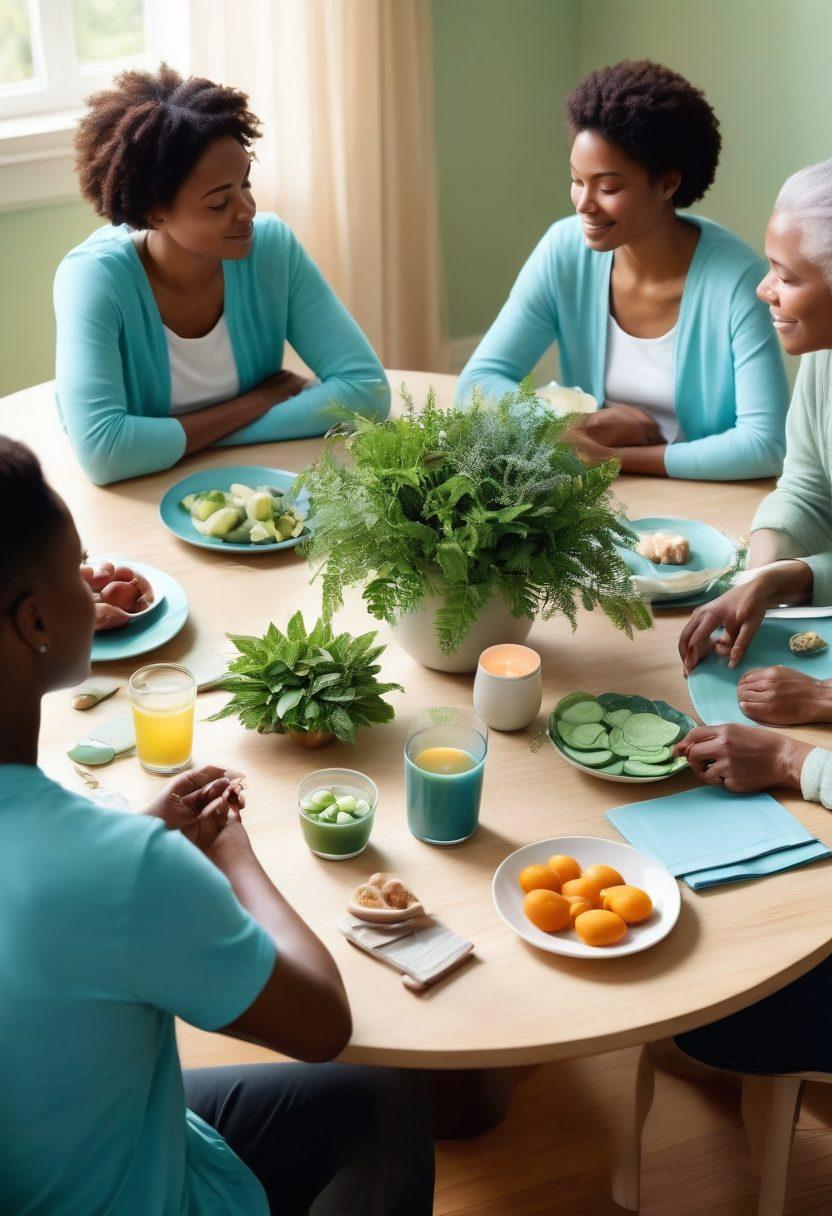
As you dive deeper into your treatment options, consider joining a **cancer community** or support group. The voices of others who have walked a similar path can offer not just advice, but emotional sustenance—something that’s often overlooked. **Emotional support** is crucial during this time. Engaging with fellow warriors in **cancer awareness** can foster a sense of belonging and solidarity. You are not alone in this battle; every shared story creates a tapestry of strength and resilience. What would it mean for you to connect with someone who genuinely understands your journey? Imagine the stories that can be shared, the bonds that can be formed.
In addition to community connections, utilize **survivorship resources** that many organizations provide. From planning for post-treatment life to discussing **symptom management**, these resources can offer insights that are often brushed aside. Initiate conversations with your healthcare team about available **clinical trials** that explore cutting-edge medical research. Keeping up with the pioneering advancements in cancer treatment not only opens the door to new possibilities but also allows patients to make proactive choices regarding their health. How can knowledge help bridge the gap between fear and empowerment? The potential for a new dawn becomes clearer with every piece of information you gather.
Finally, amidst all the noise surrounding cancer treatments, make a pledge to prioritize self-care. Engage with health blogs to gather tips on **cancer prevention** and strategies for living with cancer. From mindfulness exercises to nutrition plans, these insights can have a monumental impact on overall wellness. Improve your quality of life, seek **advocacy** for your needs, and never hesitate to voice your concerns. Remember: every step you take toward **cancer** wellness is a valuable step toward reclaiming your narrative. So, how will you choose to write your own story? The pen is in your hands, and it’s time to begin.
Understanding Treatment Options: From Chemotherapy to Immunotherapy
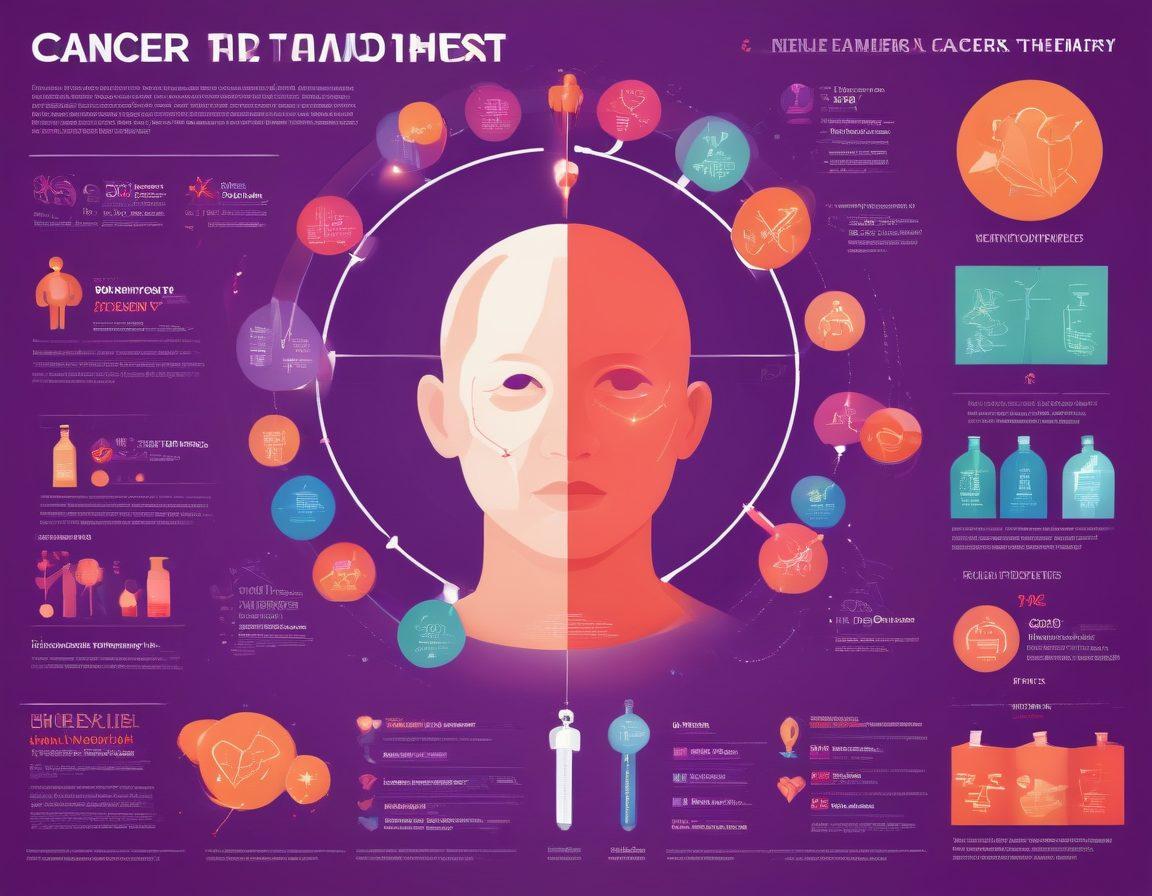
When someone hears the word 'cancer,' it can send shivers down their spine. The journey through a cancer diagnosis is often daunting, filled with confusion and uncertainty about options. At this critical juncture, understanding treatment options is not just helpful—it's essential. The realm of oncology is vast, ranging from the well-known chemotherapy to the innovative approach of immunotherapy. As we embark on this enlightening path together, remember this: knowledge is power. Understanding your options can empower both patients and their loved ones as they navigate this challenging journey.
Cancer is not a monolith; it comes in various forms, including malignant tumors and carcinoma that arise in different body tissues. The treatment options you will encounter depend largely on the stage of cancer and the specific type you are dealing with. Chemotherapy remains a frontline act of battle against cancer due to its aggressive approach in targeting rapidly dividing cells. But it’s essential to couple this with a conversation about side effects and symptom management. Have you ever thought about how each treatment option could affect your daily routine and emotional well-being?
Then there’s radiation therapy, another common tool in the oncologist's toolbox. It uses high-energy particles to target tumors, leaving surrounding healthy tissue mostly unharmed. The precision of radiation therapy has advanced significantly, yet questions persist: How do you balance the physical ramifications of treatment with the goal of wellness? And, most importantly, how do patients keep a sense of normalcy in their lives during treatment?
Let's shine a light on the new frontier in cancer treatment: immunotherapy. This innovative approach harnesses the body’s own immune system to fight malignancy more intelligently, and its success stories are making waves in medical research. Clinical trials exploring immunotherapy have sparked hope among patients and families alike. As you ponder your treatment options, have you considered advocating for participation in a clinical trial that may be right for you? Engaging with professional resources can pave the way for discussions around available therapies and emerging alternatives.
Ultimately, the journey does not end once treatment starts; survivorship resources are crucial for ongoing health and wellness. Advocacy is an essential pillar of cancer awareness, driving the importance of patient education within the healthcare community. Emotional support from family, friends, and support groups plays a vital role in making this arduous path less lonely. How can we truly prepare to live with cancer? By joining the cancer community and connecting with resources, we can holistically approach this journey—combining treatment options with emotional and social support to forge a brighter future.
Building a Supportive Community: Emotional and Wellness Strategies for Survivorship
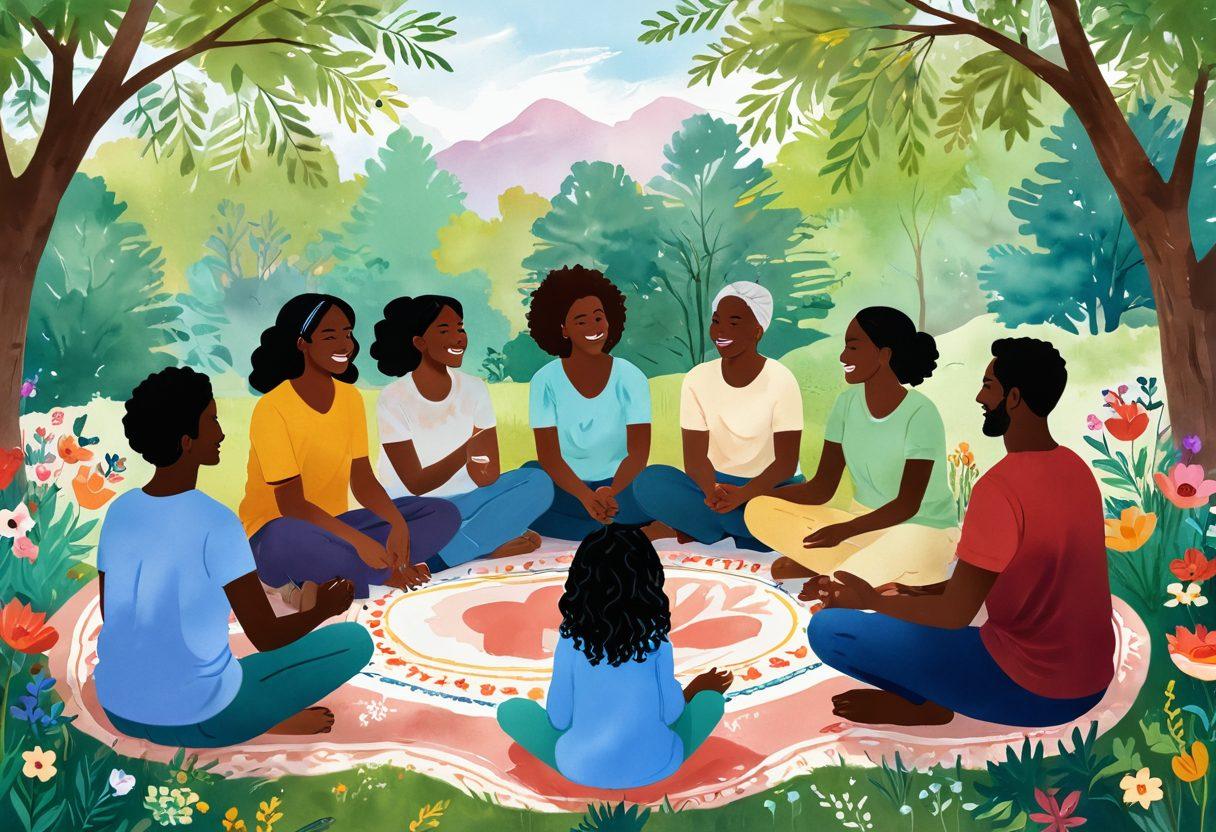
When faced with a cancer diagnosis, the journey ahead can feel like a daunting maze. Yet, amidst the fear and uncertainty, there exists a powerful resource that can make this path less convoluted: a supportive community. Building a community of understanding, compassion, and shared experiences can provide crucial emotional support when navigating oncology treatment options. Life after a malignancy can be challenging, but with the right relationships and resources, survivorship doesn't have to be a lonely journey. Engaging with a compassionate cancer community can bolster resilience and instill hope when it’s needed most. How can we tap into this network of support to make our journey feel a little less daunting?
Imagine walking into a chemotherapy session surrounded by familiar faces—people who understand the weight of each cold, metallic chair, and the meaning of the struggle it takes to get there. This shared experience within a community of cancer survivors can transform the atmosphere from intimidating to one of strength. Emotional support plays a crucial role in symptom management, enabling those undergoing treatment to share their feelings, fears, and triumphs. As the saying goes, "A burden shared is a burden halved." How many people could we help feel less isolated simply by reaching out and becoming active participants in the cancer community?
Survivorship resources abound, yet many people don’t know where to start. From local support groups to health blogs that offer insights into alternative therapies, knowledge can be a vital ally in the fight against cancer. Think of it as crafting a toolbox for wellness: each resource becomes a tool that equips you for the challenges ahead. Moreover, education around the various treatment options such as immunotherapy and radiation therapy can empower survivors to make informed decisions about their health. But, the ultimate question remains—how do we maximize these resources to create a more fulfilling life after treatment?
Advocacy is another critical piece of the puzzle. Engaging in cancer awareness initiatives not only promotes a culture of empathy but can also foster connections with others who have faced similar battles. Whether through fundraising efforts for medical research or participation in clinical trials, every action contributes to a larger narrative of hope and solidarity. Imagine the power of sharing your story; it could inspire someone else to seek out their own path to recovery. What if, by opening up about our experiences of living with cancer, we could influence positive change in healthcare policies or inspire future patients?
Lastly, to truly thrive in survivorship post-cancer treatment, it’s vital to remember the importance of self-care and emotional wellness. Activities that promote relaxation and joy, whether they’re art, yoga, or simply taking a walk in nature, can dramatically improve psychological well-being. Regularly checking in with ourselves and our support networks can help manage the ups and downs that life may throw our way. Let's be proactive; what steps can we take today to foster emotional and physical health as we navigate this journey together? Together, as a support community, we can ensure that no one walks this path alone.